

“Attention,” the twentieth-century philosopher Simone Weil wrote, “is the rarest and purest form of generosity.” It’s a statement that feels both thrillingly true and also at odds with the way that attention is talked about in our current moment—we speak of the “attention economy” where apps and devices vie for our screentime. The technical paper that unleashed the current rush of generative AI systems was literally titled “Attention is all you need”—in this case, the attention is not the limited space for human noticing but the massively scalable pattern generation potential of computationally intense large language models.
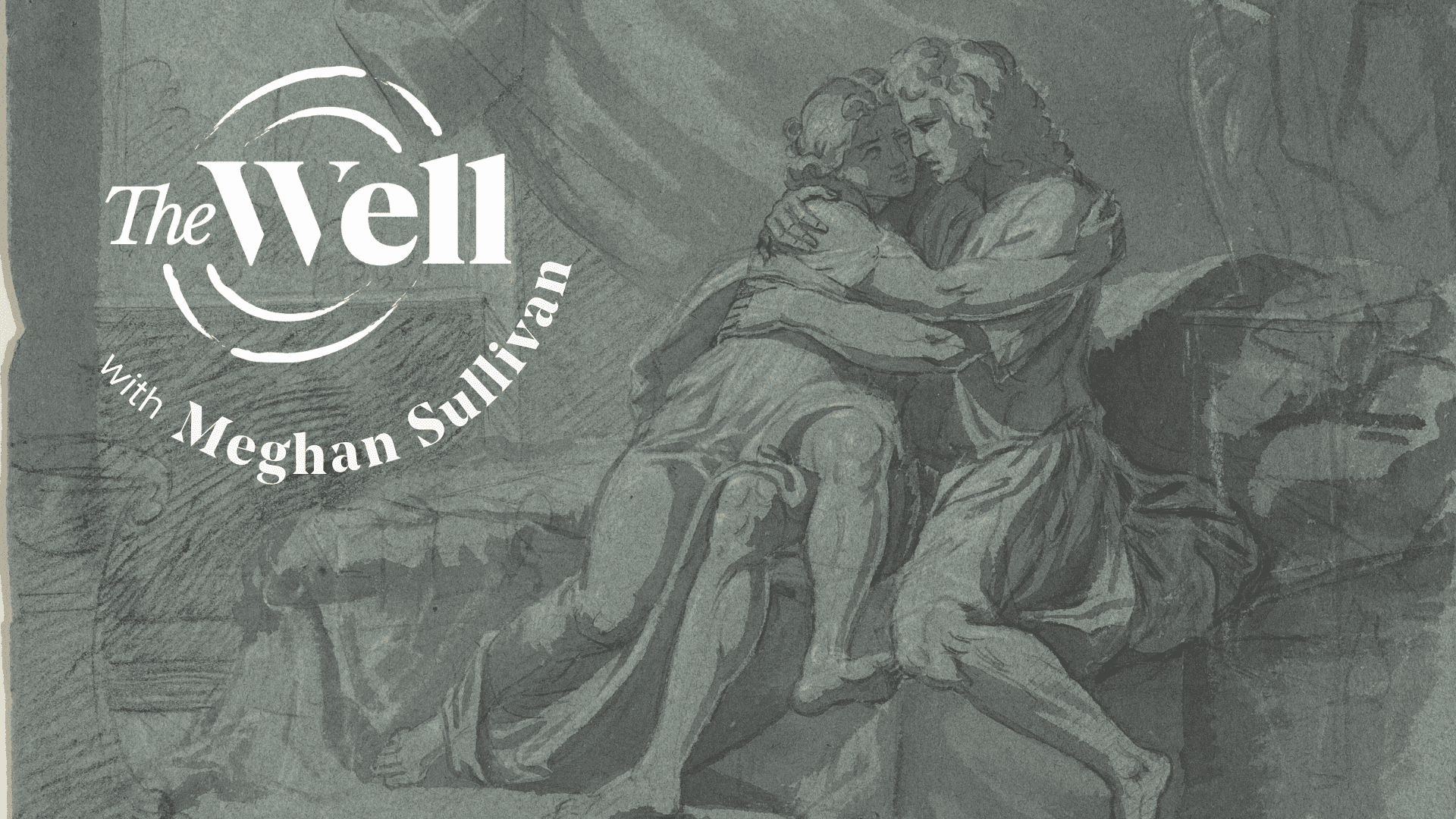
In this video for The Well, Meghan Sullivan, a professor of philosophy at Notre Dame, contrasts attention in the Weilian sense with the tech-and-media-saturation kind. Sullivan expands on the Biblical parable of the Good Samaritan, in which an unlikely protagonist rescues and cares for a stranger, arguing that the story is not so much a parable of duty as a parable of love.
Any duty we have to help a stranger, Sullivan says, should spring from the fact that love is the basis of our moral reasoning—and that all humans, just by virtue of existing, are worthy of love. Any sense of duty to help should arise from our efforts to apply this ethic of love in our everyday lives.
And the beginning of love, Sullivan says, often begins with simply noticing others as they are.
“If you’re looking with love, you just pay a little bit more attention to take in the details and allow them to affect you,” Sullivan says.
“A big part of exhibiting the love ethic and practicing it means giving yourself a little bit more time to pay attention to other people, rather than paying attention to all of the other things that are trying to demand our mental life in the 21st century.”
This post draws upon a series of videos produced by The Well, a publication and video channel produced by the John Templeton Foundation and BigThink.
Nate Barksdale writes about the intersection of science, history, philosophy, faith, and popular culture. He was editor of the magazine re:generation quarterly and is a frequent contributor to History.com.