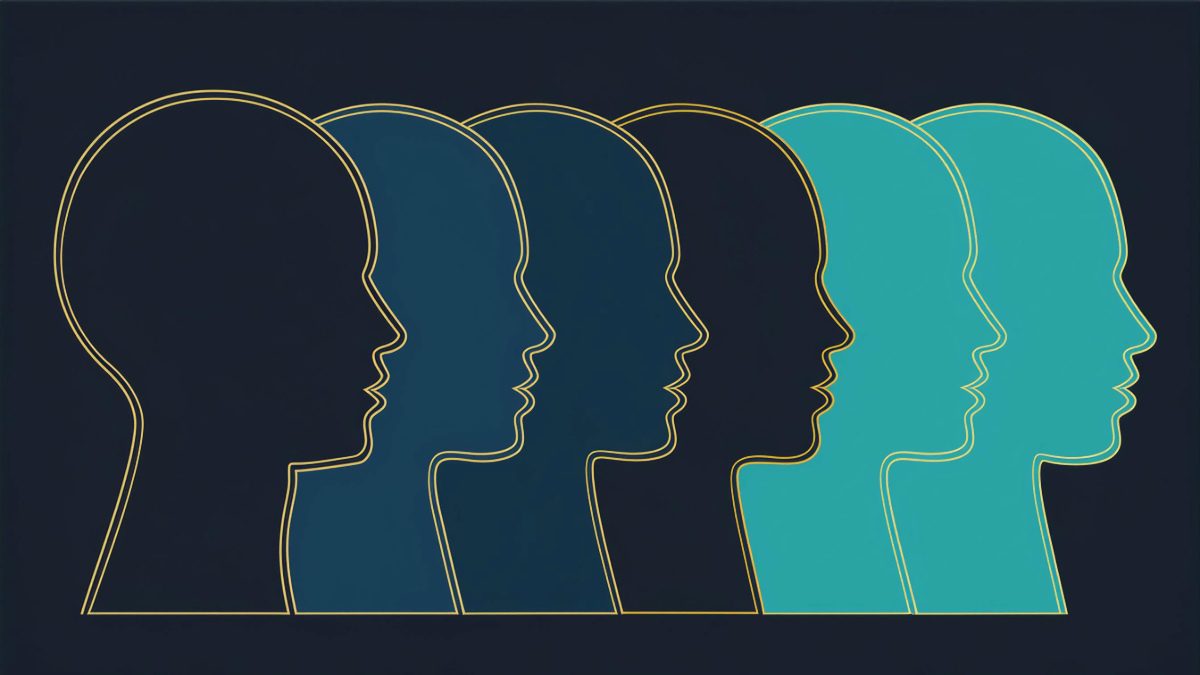



For thousands of years, people have been drilling holes in skulls, bloodletting, and pursuing other drastic interventions to help one another deal with emotional and spiritual crises described as anything from melancholy to spirit-possession. When a person’s mental state seems unhelpfully out of balance, it is a common human reaction to conclude that something needs to be removed or released to aid the troubled patient.
In a short video assuringly titled “No, you don’t need a lobotomy,” University of Michigan psychologist Ethan Kross explains how our current scientific understanding of emotions and their functions show that these old impulses, while not totally wrong, may have conceived of the problem backwards. To effectively deal with negative emotions, it’s usually less that we need to let something that’s inside of us escape or be excised, but that we need to find helpful ways to bring the outside in.
A well-tested approach is to surround ourselves with trusted friends and advisors who can speak into our situation and help us balance our perspective (Kross, who has a shared appointment with Michigan’s Ross School of Business, adds a corporate gloss to this, calling it a “personal board of directors.”)
But when it isn’t feasible to loop in our trusted friends to help us process a particularly stressful moment or big emotion, Kross notes a highly effective mind hack. By shifting our own internal language to refer to ourselves in the third person (e.g., “Ethan” instead of “I”), Kross says, we can kick-start emotional distancing to help us advise ourselves as we might advise a friend.
The point is not to completely discount our own difficult emotions—even the troublesome ones can often serve an important purpose—but to see them in a new perspective, as manageable and potentially helpful rather than worth putting a hole in our heads over.
This post draws upon a series of videos produced by The Well, a publication and video channel produced by the John Templeton Foundation and BigThink.
Nate Barksdale writes about the intersection of science, history, philosophy, faith, and popular culture. He was editor of the magazine re:generation quarterly and is a frequent contributor to History.com.